
Why moling appeals on finished sites
Spares more of the surface
Suitable jobs need pits, not a long open trench across every part of the route.
Controlled access at each end
Launch and reception pits help guide the work in a planned, contained way.
Supports several pipe jobs
Moling can help with renewals, lead replacements and new water main routes.
How moling creates an underground route
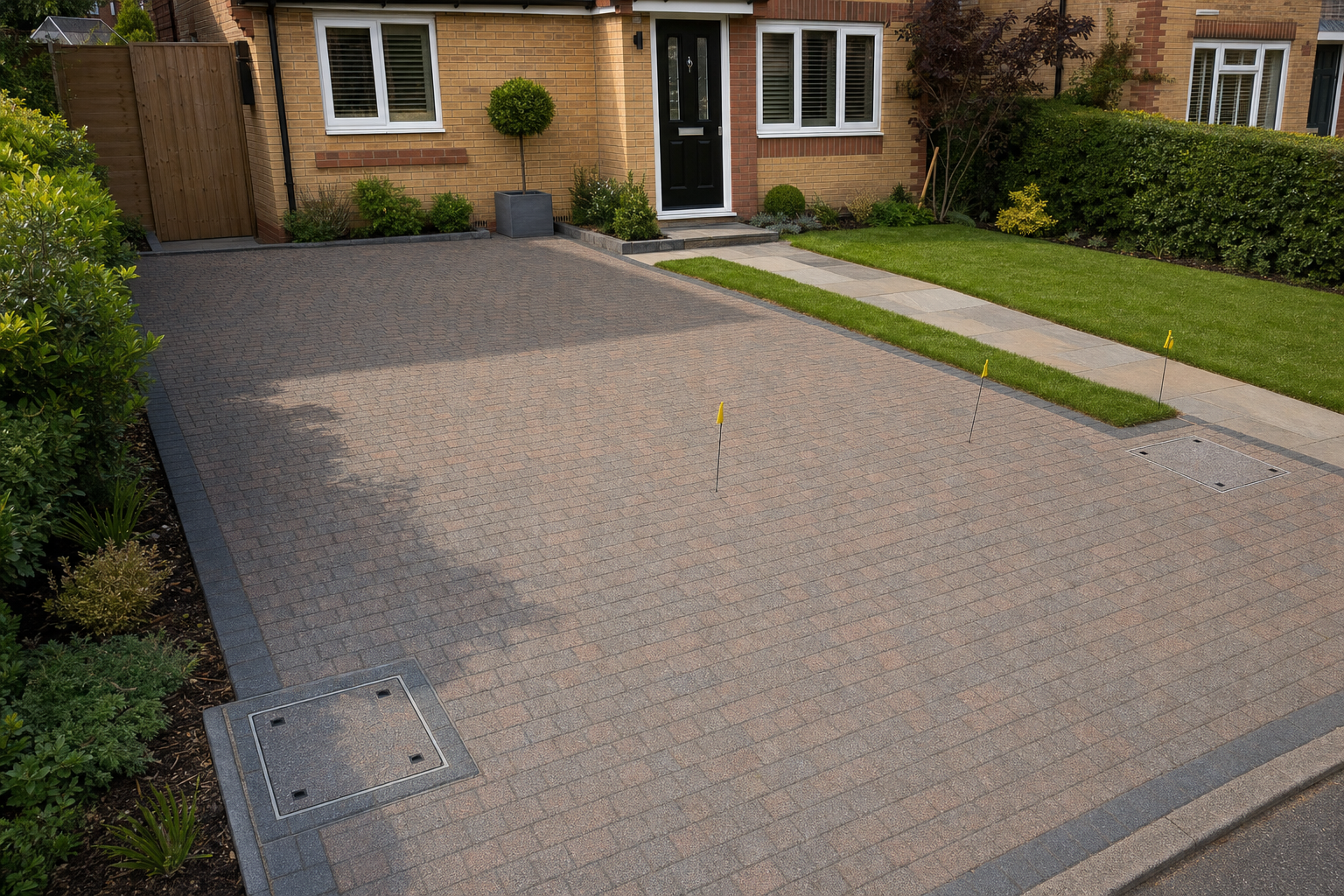
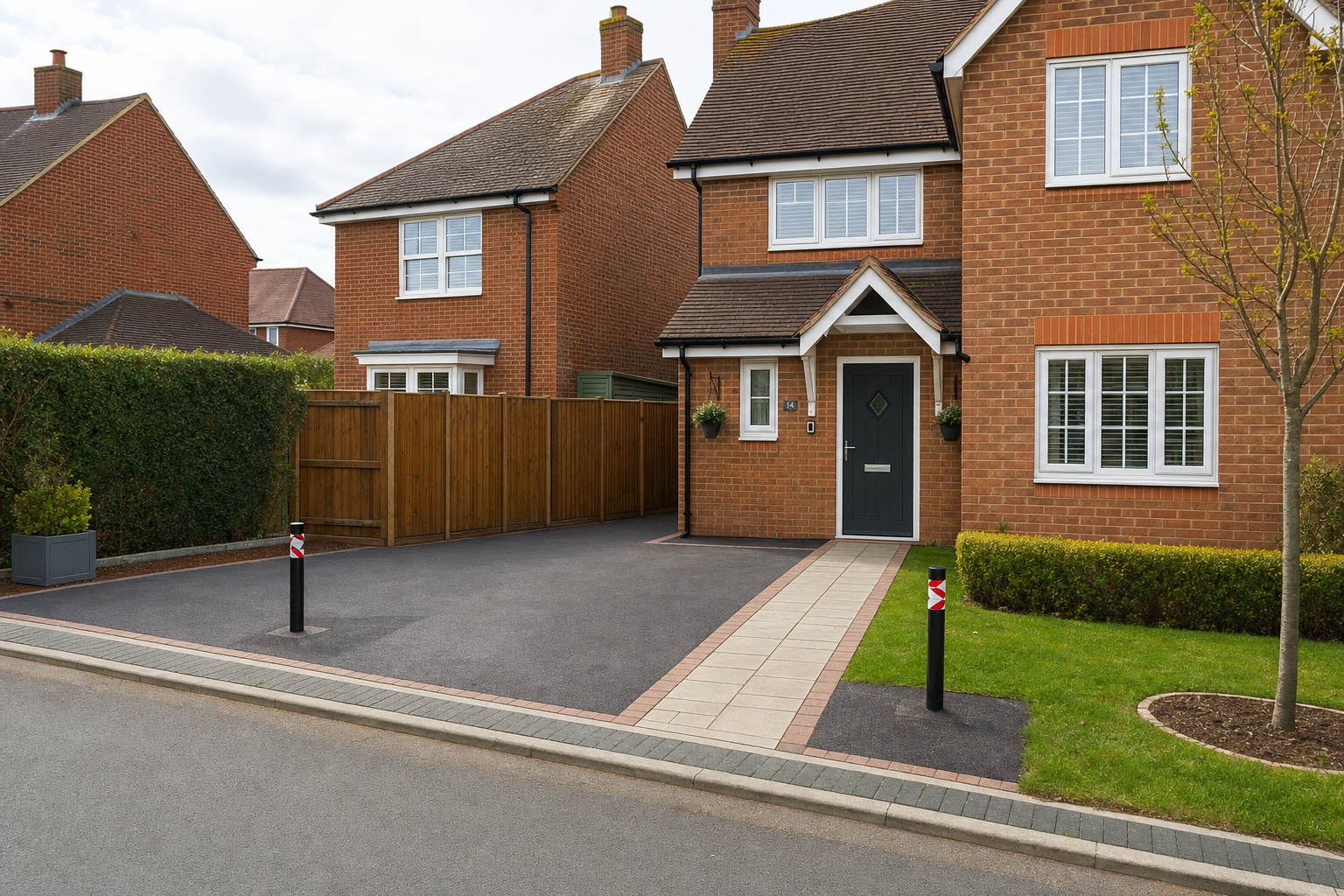
Sometimes the hardest part of a pipe job is not the pipe at all, it is the stretch of driveway, lawn or path sitting above it. Impact moling creates an underground route between controlled access pits, so a new water pipe can be installed without opening a continuous trench across the whole surface. We assess route length, ground conditions, depth, buried services and the space available for launch and reception pits before choosing this method. With Direct Moling & Watermains, moling is used where it suits the site, not as a gimmick where a straightforward dig would make more sense.
When moling is the sensible option
Once the route is planned, we check services, excavate the pits, carry out the moling operation, install the pipe and reinstate the access points. With Direct Moling & Watermains, we often use this approach in Newton-le-Willows to support lead pipe replacement, supply pipe renewal and new incoming mains where customers want to preserve finished surfaces. The big advantage is simple: less continuous excavation, with the route still planned properly from start to finish.
Frequently asked questions
What is water pipe moling, in plain terms?
It is a way of creating an underground path for new pipework between small controlled pits, rather than opening a trench all the way across the surface. It is often useful where the route runs under driveways, gardens, paths or other finished areas you would rather preserve.
When is moling likely to suit a site?
Suitability depends on route length, ground conditions, depth, the presence of buried services and whether there is enough room for the access pits. We assess those points first, because moling works well on the right site but still needs proper planning to be worth doing.
Does moling mean there is no digging at all?
No. Controlled excavation is still needed for the launch and reception pits, and sometimes at connection points too. The benefit is that you do not usually need one long continuous trench across the whole route, which can make a big difference on finished surfaces.