
Why evidence first saves time later
Leak checks tied to a real fix
Detection work is used to guide the next decision, not left hanging on its own.
Upgrades for higher demand
Restricted older supplies can be renewed to suit current water use.
Commercial planning before attendance
Access and demand details help shape a more practical site visit.
Find the loss or fix the weak supply
In Manchester, the problem is not always a burst pipe in plain sight. Sometimes the first sign is unexplained water loss, and sometimes it is a supply that no longer keeps up with how the building is used. We investigate both. Underground leak detection helps narrow down where water is going, while an upgrade or wider commercial plan deals with pipes that are too restricted or tired for present demand. With Direct Moling & Watermains, the answer starts with evidence from the supply, then moves into repair, renewal or upgrading where it will make the biggest difference.
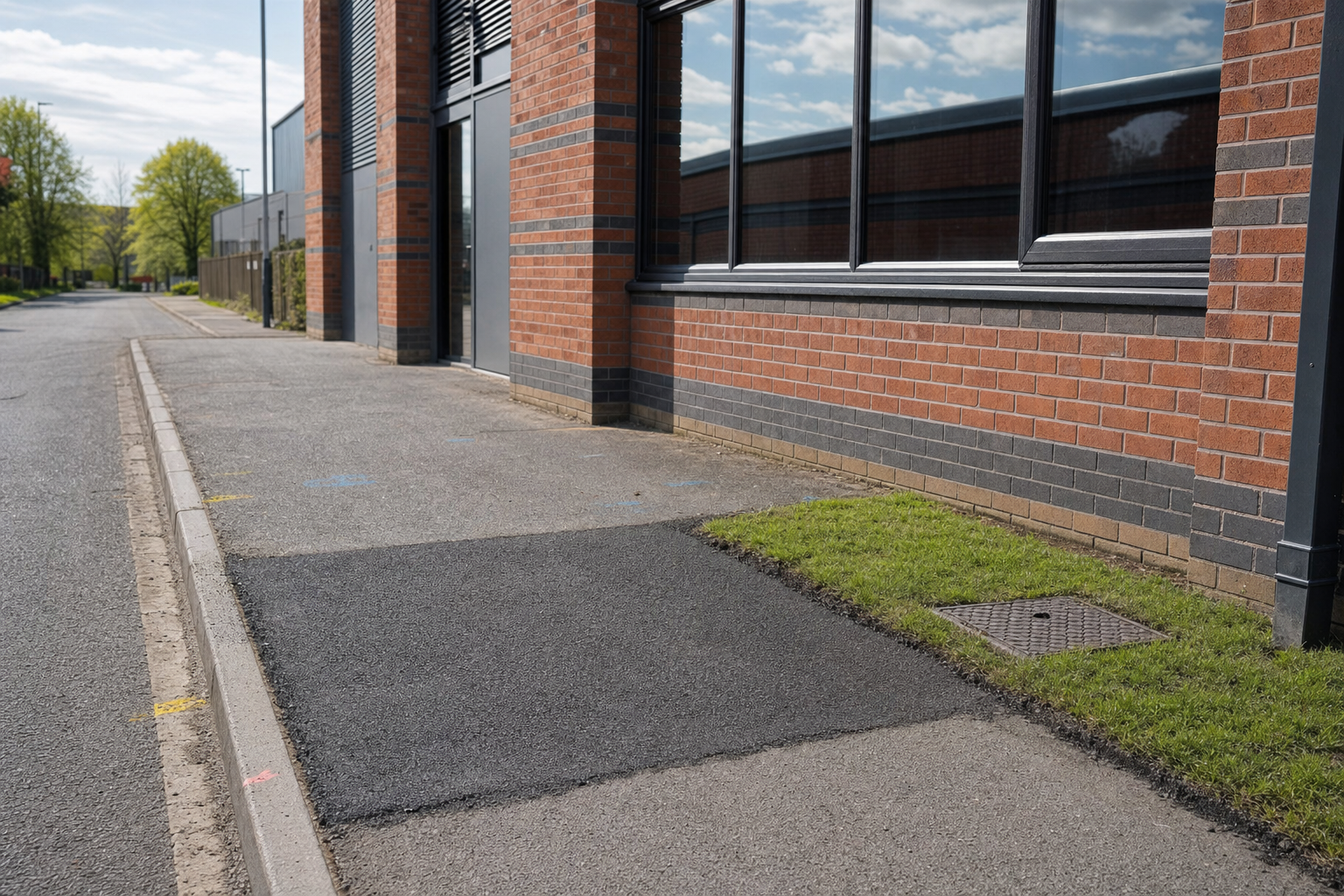

Planning around demand and site access
Manchester sites are easier to organise when we know about operational access, water-use demand and the likely underground route before we attend. That is particularly useful for commercial work, where the shape of the site and the hours it is busiest can change how the job is approached. A project with Direct Moling & Watermains uses that early detail to prepare a practical plan instead of arriving to discover the awkward bits after the water is off.
Frequently asked questions
Can you trace hidden water loss in Manchester?
Yes. We investigate unexplained water loss affecting buried supplies by narrowing down the likely route and fault area before repair work is chosen. That is far more useful than guessing, especially where the symptoms are spread across a large outside area.
When is an upgrade better than another repair?
An upgrade is often the stronger answer when the pipe is restricted, undersized or simply too worn to keep up with present demand. We assess performance, route and condition first, so you can judge whether improving the whole supply is wiser than patching another isolated problem.
What should a business site tell you before you attend?
It helps to know how the site uses water, when access is easiest, where the likely route runs and what working constraints exist. That information lets us plan the visit more intelligently, particularly where the water supply supports day-to-day operations that cannot simply stop.