
Why commercial planning matters underground
Planned around operations
Site access, isolation and working areas are considered before the job begins.
Capacity matched to use
We assess demand so the supply fits the premises instead of falling short.
Trenchless routes considered
Suitable sites may benefit from less continuous open excavation.
Incoming water that suits the site's demands
Commercial sites need an incoming supply that matches the way the premises actually works. If capacity is wrong, leaks are ignored or the route has become unreliable, the problem can affect staff, tenants, customers or day-to-day operations very quickly. We assess usage demand, pipe capacity, site layout and working constraints before deciding how to tackle the job. With Direct Moling & Watermains, that could mean leak investigation, a local repair, full renewal or a new installation, planned around the building and the way the site is used.
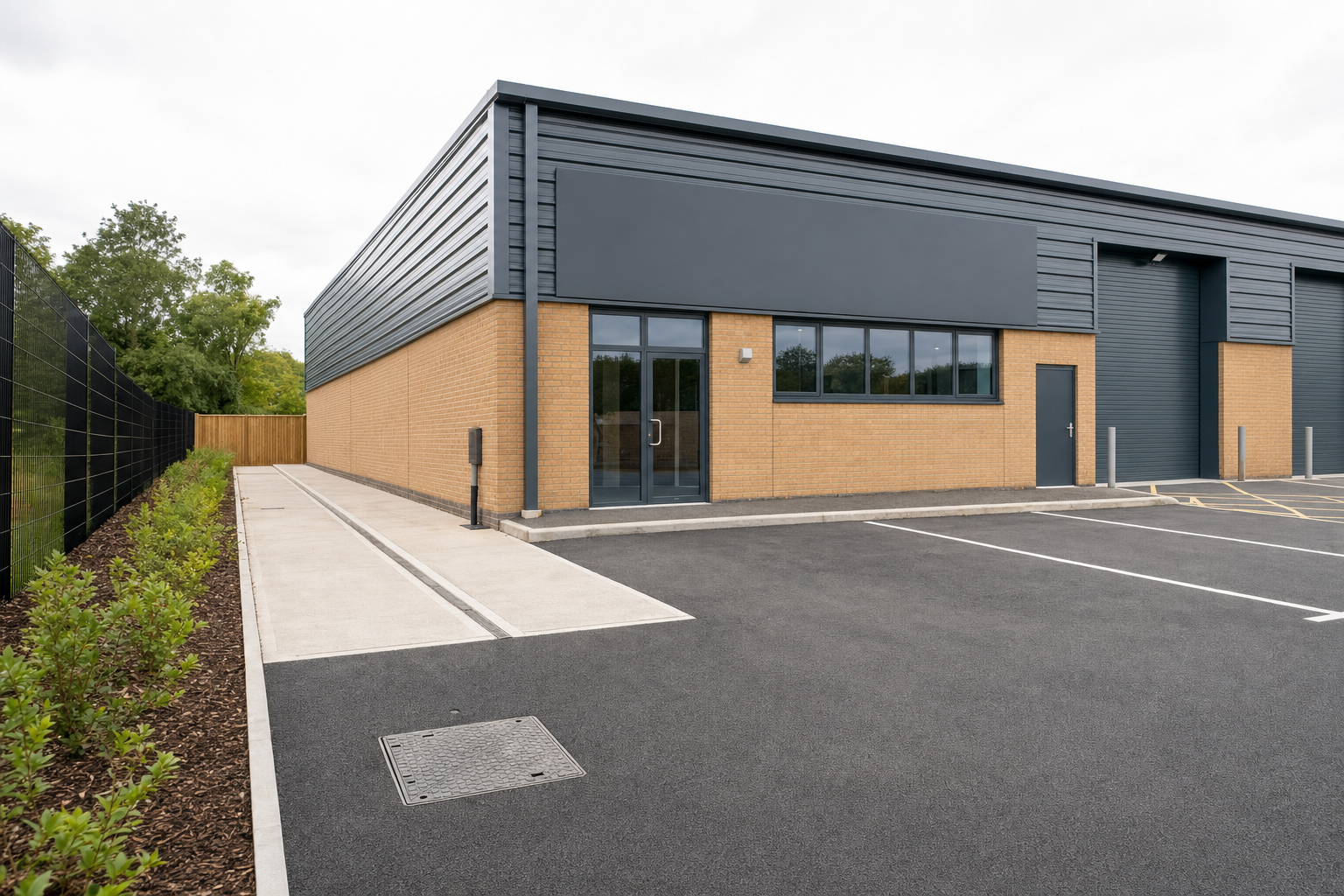
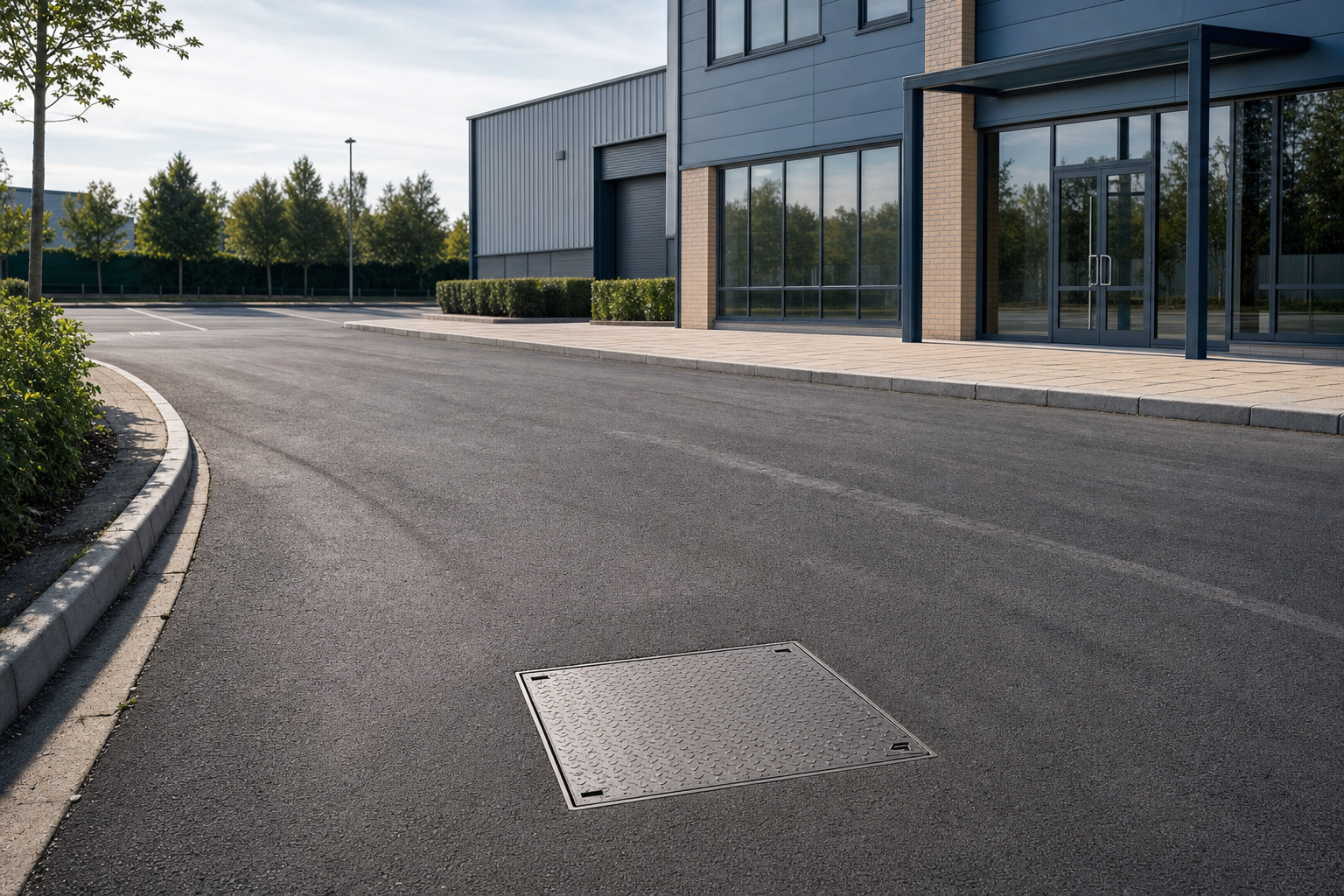
Planning work around a live commercial site
Access and coordination matter as much as the pipe itself on commercial work. We plan around service yards, vehicle areas, occupied premises and the points where the supply can be isolated and reconnected, then test thoroughly before the line goes back into service. With Direct Moling & Watermains, we also consider trenchless installation in Newton-le-Willows where suitable to reduce the extent of open excavation on working sites. That helps protect access while getting the underground supply sorted properly.
Frequently asked questions
What types of commercial site can you help with?
We work on incoming water infrastructure for a range of commercial premises where reliability, capacity and access matter. The exact plan depends on site layout, how the supply is used and whether the need is investigation, repair, renewal or a completely new incoming main.
How do you reduce disruption on a working site?
We plan around access routes, occupied areas, vehicle movements and the points where the supply can be isolated and reconnected. Where the route and ground allow, trenchless methods may also reduce the extent of open excavation compared with a full trench across usable space.
When is a new commercial main better than a repair?
If the pipe has widespread deterioration, repeated faults or no longer suits the site's water demand, a new main may be the stronger long-term answer. We assess the overall condition and capacity first, so the decision is based on the way the premises actually operates.